

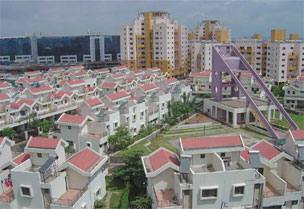
 Magarpatta City is an award winning and internationally appreciated model of integrated development and self-sustainability. Spread over 400 acres, Magarpatta City is a city within a city having commercial zone, residential neighborhoods, school, hospital, shopping malls, hotels, restaurants and recreation places. All this is complemented by verdant greens and a pollution free ambiance, a supreme setting for your life and business to evolve.Magarpatta City introducedeco friendly development. Hence, almost 30 per cent of the area has been kept reserved for greenery. Implementation of waste management system, solar energy system ensures further enhancement of the environment.Magarpatta City practices numerous techniques for conservation and betterment of the environment. We practice various Sustainable Energy Systems on a huge scale striving to reduce Global Warming.Rainwater Harvesting
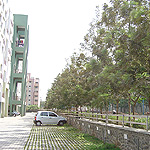 Rainwater harvesting to canalize water from terraces is planned for over 8 natural wells, 515 recharging bores, over 1.25 acres of an artificial lake body and to recharge ground water levels. Inter-locking paving blocks and cutout grass concrete pavers assist in raising groundwater levels. Pune’s largest mist fountain enhances the micro-climatology here. Waste water is recycled with three sewage treatment plants planned with a capacity of 2 million litres a day and the recycled water is used for gardening purpose via the conserving drip irrigation and sprinkler distribution system. This keeps the garden lush green and lowers temperatures in the surroundings.Garbage Segregation at Source
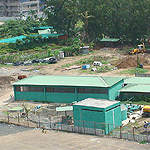 It is essential to save the recyclable waste material from going to the waste processing and disposal sites and using up landfill space. Eco-friendly practice of segregation of over 400 tonnes of household and commercial garbage, trash and waste per month is done at source of which 280 tonnes of biodegradable waste is used for vermi-culture and bio-compost. Over 120 tonnes non-biodegradable waste is recycled in a way not hazardous to nature, disposed off safely and the re-usable scrap is sold.Biogas Plant
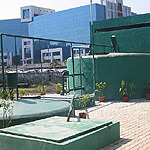 A two tonne capacity Biogas plant is installed here wherein biodegradable waste goes through a process and the non-polluting biogas which is generated is used to generate power to operate a major percentage of the garden pumps. This saves excessive power requirements equivalent to 118 commercial gas cylinders of 19 kilograms capacity per month, which translates to a power generation of over 270 electrical units per day. Over 7,000 solar water heating panels installed on the terraces reduce heat effects on the top floors and are designed to save over 1.75 crore electrical units which potentially translates to more than 13,000 tonne of carbon emissions saved every year. An electrical vehicle is used for security. Low power consumption lights are fitted in streets and common areas.Vermiculture
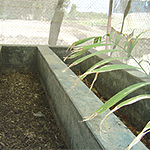 The nursery has vermi-culture and bio-compost pits, which generate manure from garbage segregated at source at Magarpatta City. The manure composted here provides for nourishing these saplings and shrubs. Organic pesticides like Verticillium and Trichoderma are used extensively. Not only are plants, saplings and organic vegetables sold here, a unique facility of a Plant Library is offered whereby just like a book/ video library one can enjoy the different plants here at a nominal charge for a limited period providing a refreshing and dynamic feel to ones dwelling.Use of Fly-ash Bricks in construction
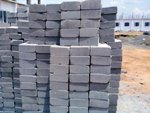 Fly ash which is an environmental hazardous waste produced by thermal power plants is used as a part replacement of cement and fine aggregates, is an inert material & saves energy required for production of cement. Usage of fly ash bricks helps in reduction of greenhouse gases, which are depleting the ozone layer. These bricks are better than traditional bricks because of various reasons, like controlling of pollution, cost, breakage, wastages, evenness, finish while manufacturing and more compressive strength. As fly ash bricks are produced mechanically they are economical, good for any type of masonry and absorb very less water. For every tonne of fly ash used in construction, approximately 1 tonne of CO2 emission in environment is reduced. Magarpatta City is set to consume 1,30,000 tonne of fly ash by the time construction is completed here, translating into a huge saving of over the same, i.e. 1,30,000 tonne of carbon emission.Solar Water Heating System
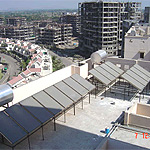 Magarpatta City has become home to one of the largest residential Solar Water-Heating systems in the country. The solar panels have been put in all the residential apartments comprising of about 3500 flats in the Phase-I & II. On completion, the total capacity will be in the region of 7 lakh litres per day which will save power to the tune of 37 KWH per day and in monetary terms Rs.3.9 crore a year. This is one of the many environment-friendly practices carried out in Magarpatta City.займ на карту без отказов круглосуточновзять кредит онлайн
There is a 4-Star Service Hotel in Magarpatta called Cocoon but they don’t have the common sense to keep the lights off in their balcony during the day. It remains on for 4-5 days every week and they don’t take any action even if you call them.They just drop the call.How responsible!! They make flimsy excuses such as ‘Guests are not in Room’ or ‘They have Energy Saver System’ or ‘They cannot force the customer to switch off the lights during the day because customers are paying for the room’.I am sure the customers are not as stupid as the staff claims. I can’t believe that a reputed place like Magarpatta can have such lousy hotel staff. They claim to be eco friendly on their website. I guess keeping the lights on the whole day is eco friendly, right?