

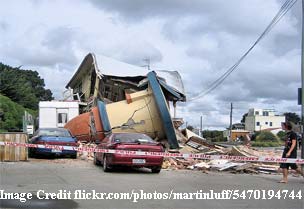
 We all know what a natural calamity is? But unfortunately, we do not know when and where they can occur whether it is Tsunami or an earthquake and what could be the intensity of such calamities. We can never predict the action of nature as we still do not have that advanced technology to give us a clear picture of the coming disaster. The prediction part is not in our control but the preparation part can be if we educate ourselves regarding the safety measures before the disaster happens. India is a country having different land topography like mountains, hills, vast coastal areas, etc. In such a case the risk of life loss due to calamity rises when proper measures are not taken. The coastal areas are much prone to tsunamis as they receive the direct impact of movement in ocean surfaces. The land areas near high mountains are much likely to receive earthquakes. There are certain zones defined which come under risk zones as they may be on the earthquake belt or near a dam. If you are living in any such areas you must know the safety measures to be followed during a situation like earthquake.
Following are some safety tips and preparation tips to fight against a natural calamity:
Be informed about any new development or guidelines or safety measures to tackle the earthquake at individual level.
- Educate yourself and family members for survival tips during an earthquake.
- Learn to switch off the main electric line and give an idea to other members too.
- Keep ready a battery operated radio and a flush light to be used in case of emergencies always.
- It takes time to recognise an earthquake in the areas where it is a rare event. Be cautious and immediate response is important.
- If you get an early warning then be prepared with first aid kit, water bottle, some ready to eat food items, radio (battery), flash light, a whistle, safe locations in home, etc.
- If possible switch off power line (mains), gas or heating system.
- In the house if you feel shaking then drop on floor to take shelter near a sofa, along the interior wall, big desk or bed side or at a safe corner of your home. Remember that in most of the guides you find that you should hide under a desk or table or bed but the fact is that if the ceiling is falling, the person get crushed to death due to staying under a heavy object. Thus the survival chances are more when you take the side of such objects instead of getting under them. The space beside the big objects like sofa, bed or desk is life saver.
- Do not move much take a pillow or comforter to protect your head from injuries due to falling objects in the home.
- Do not stand at a place where objects can fall on you or near windows and doorways as the glass parts or a falling door way can injure you badly.
- Never use stairs or elevators during an earthquake as they are more prone to collapse due to their structural design. Wait till the earthquake stops to increase your chances of survival instead of running here and there without thinking.
- If you are able to exit your home then find a place far from trees, buildings and electric polls and wires to be safe.
- If unfortunately you are stuck under the collapsed building or home then do not move, just make sound by patting the wall or pipe or whatever object is near you. At this moment cover your face with whatever piece of cloth available to you to restrict dust getting into your system. Shouting should be the last option to get attention of rescue team.
- After the quake check for your injuries and get treatment. Help others in need around you.
- Check the power lines, any gas leak or any short circuit due to the after effects of earth quake and contact the concerned department for repair.
Ruchi Mahajanзайм на карту без отказов круглосуточновзять кредит онлайн