

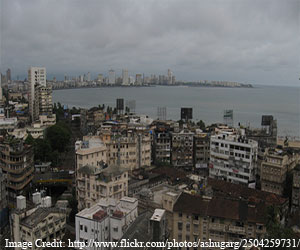
 After the successful and un-deviated run for years, the Indian growth seems to be slipped off the growth path for the past couple of years and real estate sector is not an exception. The real estate market of Mumbai has also witnessed adverse effects of the economical slowdown in the country. The economic slowdown along with massive project delays have affected the buyers’ sentiments resulting into lowered demand of properties. Lowered property demand and increasing new supply has increased the quantity of unsold inventory of the Mumbai real estate. Mumbai Real estate market surely had its peak during 2010 but since then it has been plummeting over past two years and about 40 per cent reduction has been observed in new launches. Mumbai definitely witnessing the big issue of land scarcity which one way or another affects the Mumbai’s property demands so do the price appreciation in the market.The quarter to sale (QTS) value of the Mumbai clearly depicts the worsening condition of Mumbai’s real estate, whereas QTS of other frontline cities show some positive figures compared to Mumbai’s QTS. The QTS value of the Mumbai residential real estate stands at 9 by the end of September 2013, which has significantly increased from its September 2012 value of 6. The NCR and Bangalore real estate markets have seen some decent recovery attributes during the period of 2013, while Mumbai’s real estate market is yet suffering from the slowdown.Supply and DemandA substantial decrease in the new supply over the past three years has affected a lot for Mumbai real estate. Till September 2013 about 47,488 units were launched in the city which substantially dropped by 28 per cent as compared to previous year’s same period supply. The difference between supplies further increases to 46 per cent and 42 per cent when compared to the supply ratio of year 2010 and 2011. The peripheral areas of Mumbai contributed for about 28 per cent of the total new launches in the city. Locations adjacent to the NH3 and are connected to the Dombiwali, Ambernath, Badlapur and Kalyan saw the substantial growth in the real estate.Navi Mumbai lost its sheen in the year and shared only 18 percent in the supply due to delay in the construction of infrastructures like Trans Harbor Link Road. Proposed Navi Mumbai airport development is back on track which will definitely increase the demand in the region, especially Ulwe, Panvel and Taloja. Western suburbs share in the supply fallen down to 10 per cent in the current year. Andheri and Vile Parle have seen an increased amount of traction due to the development of metro projects which has improved the connectivity of the region. The overall demand of Mumbai real estate was observed proportionate to the absorption of market; the supply has moderately affected the demand from the buyers as market sentiments remained sluggish throughout the year.The real estate scenario in Mumbai suggests that the increasing inventory and lowering demand will be beneficial by the buyers’ perspective. Weakening real estate market may affect developers’ perspective in future which can significantly alter the real estate scenarios of the city. Certain regions in Navi Mumbai and the Central Suburbs will continue to interest home buyers and investors as it possess decent infrastructure development with attractive price range. The demand will remain subdued over the initial part of 2014 but it will improve in the later part of 2014.займ на карту без отказов круглосуточновзять кредит онлайн