

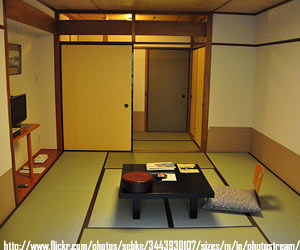
 If the feelings of Zen and serenity are essential features that you want in your home then you should try Japanese interior décor. The Japanese interior décor in which space and minimalism are the dominant traits mostly evolved from the fact that Japan is an earthquake prone country. Too much furniture could be hazardous in times of a quake. But what evolved out of pure necessity for safety has become a style statement now. Japanese traditional house designs have some basic features such as lots of space, neutral colors, minimalism in use of furniture, use of clean lines and minimal patterns etc.To incorporate Japanese elements into your home you have to follow certain key principles:Color: The color palette used in Japanese interior décor is subdued and quite. It does not scream out for attention. Instead it gives a feeling of calm and harmony. Choose neutral colors like white, gray, olive green, light yellow for the walls. If things get too boring or monotonous you can use a pop of color like bright orange, red or blue to add dynamics to the wall. The best part about quite wall colors is that when you place any brightly colored object in front of it, that objects draws more attention than the wall.
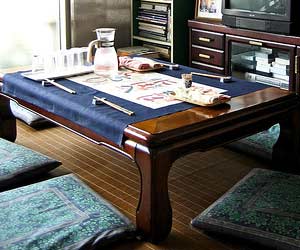 Furniture: What adds one of the strongest identifying features to a Japanese home is the furniture. Japanese furniture is traditionally quite low, there is hardly any use of chairs and most of the furniture can be moved or folded away to create more space. If the most traditional Japanese furniture is too much for you choose simple modern furniture that have clean lines and uncomplicated design. A low sofa, angular chairs and sleek table with chairs can make your house look classy Japanese.Materials: Choose natural materials for your furniture. These materials can be bamboo, wood, dark iron or rocks. Having bamboo furniture will not only accentuate the taste of the room but also make your house more eco-friendly. Having beautiful and colorful small rocks in bowls or indoor Japanese rock fountains will add aesthetic value to your rooms. Avoid intricately carved furniture like Victorian antiques as there is nothing in common between these two types of furniture.
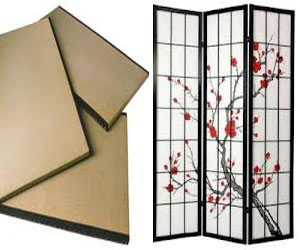 Tatami and Shoji: Some elements that are authentically Japanese can transform your home décor. You can use tatami straw mats on the floors and shoji screens which are traditional Japanese room separators made of wooden frames and translucent paper. These papers are often hand printed. Shoji when used in windows allow diffused light to enter the rooms which gives the room a very romantic shade during the daytime. They are often hand painted when used as separators. Thus they can form a beautiful back drop as a work of art.Light: Your home will be a designer Japanese home. So avoid using too much direct lighting. The essence of Japanese beauty is in diffused light. Opt for dimmers in overhead lighting and the soft glow of light around the room will complete the authentic Japanese look of the room.
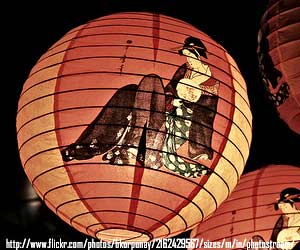 Décor Items: Add Japanese paintings, calligraphy, intricately painted vases, Japanese figurines to your room décor. You can also use lampshades that come in the shape of Japanese lanterns, throw pillows on the floor, Japanese fans, wall hangings or bonsai plants to make your home feel more Japanese than Japan itself.займ на карту без отказов круглосуточновзять кредит онлайн