

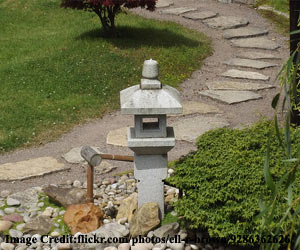
 There is a mystic charm and aesthetic pleasure about Japanese gardens. These traditional gardens are specially designed for recreation and meditation. So if you want to bring home the soothing appeal of this Asian culture, transform your backyard or garden space into a Japanese garden. Whether you have a small space or large, you can incorporate this look with the basic principles of designing Japanese gardens. This outdoor setting brings certain amount of serenity, calmness and divine beauty where you can have an ideal retreat. It is essential to know the concept of designing this kind of garden; you cannot just mix-match the elements and call it a Japanese garden. There should be a perfect balance of elements and should be arranged carefully. ‘Less is more’, this is the basic mantra of Japanese garden, the beauty of the garden is elevated with minimalistic approach. Asymmetric pattern is the crucial feature of this garden design, therefore the design should be planned accordingly.Let’s check out, how to design a Japanese garden in your backyard:
 Basic requirements for Japanese garden:The most important element that is required while designing this green space is rocks. Apart from that, Trees, shrubs, Japanese flowers, water features, fish pond, walkways with stepping stones, Japanese sculptures, lantern, bridges and sand these are the essential elements of Japanese gardens. All these features together create a sense of natural asymmetry.
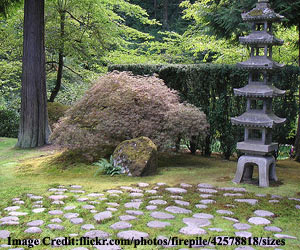 Rocks:This feature gets highlighted by the way it is placed. You can tower a mountain or create rocky shores, Koi Ponds, stone lanterns, garden bridges or walkways with rocks. Smooth and round rocks can be used as stepping stones or can be placed around the lake in your garden. Rocks can be of different sizes and colors but shouldn’t be bright. According to the tradition, three rock compositions represent heaven (tallest rock), earth (shortest rock) and humanity (medium sized rock) which acts as bridge between heaven and earth. You can also use rocks that are covered with moss or which shows signs of history.
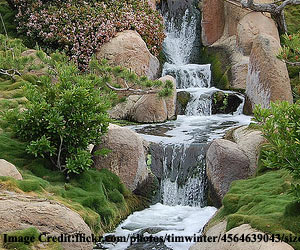 Water:The most alluring and significant feature of Japanese garden is water. The garden is incomplete without water feature. It can be flowing water, small cascades or even still pond but the presence of water is indispensible. If it is a still stream then integrate a bridge upon it which gives a dramatic effect. Waterfall is the best water feature which you can incorporate in this garden. The sound of the flowing water gives a tranquil nature feel. If water element cannot be added then you use sand that represents water in a better way. Scraped gravel surrounding the stones looks like ripples of waves. Combination of water and rock represents yin and yang according to Buddhist philosophy.
 Plants:Now comes the green part for your garden. Japanese garden mainly comprises of bamboo tree. It can be used to adorn the garden or also as structural component like for fences or railing for walkways. Papyrus, a form of grass can be planted near stream or ponds. Normally plants which are used in Japanese gardens are pruned to give an architectural form. Moss is a perfect groundcover. You can grow plants of different shades and sizes for asymmetric look. Dogwood tree, Azaleas, and Bougainvillea are commonly seen in Japanese gardens.
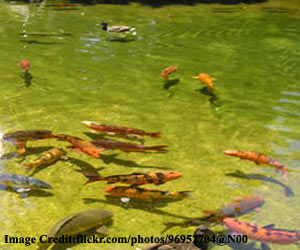 Fishes:A pond filled with fishes creates a spectacular focal point in your backyard. Colorful Koi fish and goldfish are types of fishes which are basically used to ornament Japanese gardens. This not only looks stunning but serves as entertainment feature too. They add life to your garden setting.Besides these features, create a sitting area in the midst of garden where you can relax or meditate in the fresh and pleasant environment.The captivating elegance and the unique allure of amalgamation of the above mentioned elements create a piece of heaven at your backyard.займ на карту без отказов круглосуточновзять кредит онлайн