

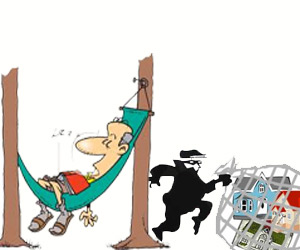
 Property owners always have plenty to worry about. Property tax, maintenance, bills and what not. Adverse possession of property is one other thing that is often added to the property owner’s burden of cares.Adverse possession by definition means the passing of the ownership rights from the actual owner to a trespasser due to the owner’s failure to evict the trespasser within a legal limitation period. After the lapse of the statutory period the owner cannot take any legal action to remove the trespasser and reclaim the property. Thus the trespasser comes to own the title to the property.On the face of it adverse possession right may sound like a fallacy. You may wonder why such a law has been made that actually gives rights to trespassers and trespassing which in itself is illegal. There is a very good reason for this law. It actually protects property owners. Every property had been at some point or the other been owned by someone. If the long lost heirs of previous owners would have come and claimed the properties, litigations would have been endless. Therefore the time for legal possession has been tied so that after that no legal action can be taken.In the Indian legal system the statutory period of limitation that has been stipulated for possession of immovable property is 12 years for private properties and 30 years in case of government or public owned properties. This has been stated in section 65 of Limitation Act, 1963. This means starting from the date of possession if the trespasser possesses the property for either 12 or 30 years (depending on the type of property) the property right will be rightfully his/hers. But in some special cases like when the owner is a minor or serving in the armed forces the limitation period is not taken into consideration. The same happens if the claimant and the owner are already involved in litigation over the concerned property.There are various means by which an adverse possession can occur such as:Hostile Possession: Unlike the way it sounds, the trespasser is less likely to be violent. What it means is that the claimant occupies the property knowing full well that he has no legal right over the property. The claimant from the very beginning may have the intention of adversely possessing the property.Actual Possession: If the claimant had been treating the property as if he is the real owner of the property and has taken actions such as erection or maintenance of a building, building a fence, farming and harvesting crops then the claimant is said to have actual adverse possession.Open and Continuous Possession: In case of open and continuous possession usually the occupation of the property is for all to see and know, even the actual owner. For example, if the claimant builds a fence on the owner’s part of the property and the property owner does nothing about it in spite of knowing about it all the time then the possession is open. On the other hand if the possession is continuous and uninterrupted for the entire statutory period then the possession is called a continuous one.Exclusive Possession: The claimant must have the exclusive possession of the property i.e. it must not be shared with anybody else for the statutory period. The title of the property as well as the legal claim must also be possessed by the claimant.In case you do not want your property to be adversely possessed keep a watch on it regularly. After all, prevention is better than cure.займ на карту без отказов круглосуточновзять кредит онлайн