

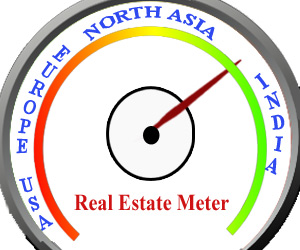
 It is quite evident from the current picture of the world that the real estate sector is lethargy-stricken. It is also predicted that this down-down scenario will prevail in future years. Countries like US and Europe are so heavily affected that the current occupancy costs in the US are declined by 6%. Asia on the globe is feebly affected and here comes the best part: India is least touched. Inside the country, points about the sluggishness of the market might be discussed but on a larger perspective, India is the least affected.Statistics tell us that occupancy costs in North Asia have been incremented by 6.7% last year and in South Asia it is nearly 3% (above the global inflation average). Talking about the growing market in India, the reason extracted out of the grassroots of cities is: mismatch. Generally the space offered by landlord is mismatched by the demands of tenants. Thus the tenant looks out for options. This might be looking for another house on rent or possibly a better option of owning a house. Thus the demand for affordable housing exists and matures.This demand also helped tier-II cities of India in the development of infrastructure. Some of them are even capable enough to level major metropolitan cities. It has been found that the occupancy costs in six major Indian cities (except Mumbai) are expected to increase above the South Asian average of 4.5% in 2013-14.There might be a downfall noticed in the commercial real estate zone. However the domestic zone seems powerful enough. With the growth of demands in tier-II cities of India, a major rise in the strature of real estate in India is expected.займ на карту без отказов круглосуточновзять кредит онлайн